


A therapeutic diet for gastritis (inflammation or irritation of the stomach lining) can significantly relieve and improve the discomfort and symptoms that arise.The diet can also prevent flare-ups of chronic gastritis.Gastritis can occur for several reasons.
Causes of gastritis
- excessive alcohol consumption;
- chronic vomiting (due to illness or bulimia);
- constant stress and certain medications (aspirin and anti-inflammatories are two well-known culprits);
- but most cases of gastritis and peptic ulcers are caused by H. pylori infection, which causes serious disturbances in the acid balance of the stomach and intestinal flora.
Why are special foods and diets recommended for gastritis?
Foods that soothe stomach inflammation, such as broccoli and yogurt, are recommended because they are known to balance stomach acid.Proper nutrition in the treatment of gastritis is crucial.
A diet for gastritis patients is sometimes the only treatment needed to bring the problem under control.In this case, food may actually be medicine.
Foods allowed for gastritis
Certain foods should be consumed with gastritis and ulcers, as they have an anti-inflammatory effect on the stomach lining and can relieve serious internal inflammation.
Below is a list of recommended foods to help with your gastritis and reflux diet:
- Broccoli sproutscontain a chemical called sulforpakhan, which helps kill H. pylori because it has an antibacterial effect.A 2009 study published in the journal Cancer Prevention Research found that a group of people with H. pylori who ate a cup of broccoli sprouts every day for eight weeks had significantly less stomach inflammation and infections than those who ate the same amount of alfalfa sprouts, which do not contain sulforesin;
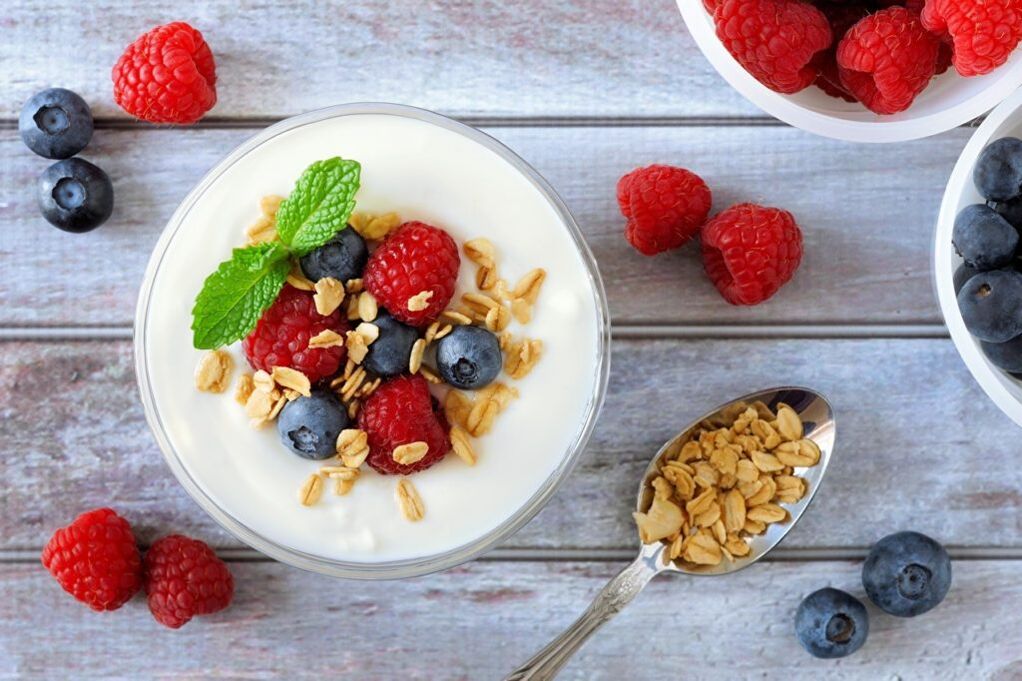
- Yogurtis also an excellent choice to help restore normal intestinal flora and balance the stomach.It's best to choose low-fat or fat-free brands that contain live, active bacteria.Choose plain yogurt and add honey (unless you're allergic) as a sweetener to help soothe your stomach;
- Fruits– excellent food for gastritis (with a few exceptions).You can eat two to four fruits a day:apples, bananas, pears, peaches, grapes, melons and kiwis;
- Vegetablesare also an amazing and soothing product (with a few exceptions, which will be listed below in the list of prohibited products);
- Cerealshelps stimulate intestinal function, helps prevent or reduce symptoms of gastritis.Consume foods rich in fiber such asbrown rice, oat flour, barley, whole grain breads and cereals, crackers, pasta and cornmeal;
- Proteins such aslean meat, fish, poultry and eggsThese are all great low-fat foods.For those following a plant-based diet, choose foods such as nuts, seeds, dried beans and lentils;
- You can also eatapplesauce, drink apple juice, skim milk and light cheeseslow fat.
Prohibited foods for gastritis
A diet for chronic gastritis will help eliminate any stomach irritation.It may seem difficult to give up coffee and sugar at first, but once you understand how diet plays a role in healing, it won't be a problem.
Below are gastritis drinks and foods that you should avoid in your diet if you have gastritis.
- Coffee
- Alcohol
- Tea
- Spicy dishes, including chili and curry
- Black and red pepper, radish
- Fatty foods (these increase acid in the stomach)
- All low-fat dairy products except skim milk and low-fat cheese
- Tomatoes
- Tomato products (sauce, paste, preserves, juice)
- Oranges, grapefruits, figs, dried fruits
- Fast food
- Fried food
- Dried sausages
- Butter
- Soft drinks or any drinks with added sugar
- Carbonated drinks (they increase stomach acidity)
- Citrus and pineapple juice
Certain herbs and plants help reduce H. pylori counts and relieve inflammation:
- Cranberry: Some studies suggest that cranberry may inhibit the further growth of H. pylori;
- Deglycyrrhized Licorice (DGL): It is best to chew licorice.This should be done one hour before or two hours after meals;
- Peppermint: May help relieve symptoms of peptic ulcers.
Sample diet plan for gastritis
Below is a menu for 7 days for gastritis.Foods can be substituted according to your personal preferences.
To complement your dietary program, it is advisable to start each day with a cup of herbal tea, followed by a fruit snack 20 minutes later.Breakfast - 30 minutes after fruit.
First day
- Breakfast- two slices of toasted wholemeal bread with plum jam
- Snack— Fruit
- Lunch— cooked skinless chicken breast with carrots or coleslaw
- Dinner— brown rice with carrots and broccoli
Second day
- Breakfast— Millet porridge with raisins, honey or almonds to taste
- Snack- a piece of fruit or a cup of black or green tea
- Lunch- a bowl of pumpkin soup, brown rice and tofu
- Dinner- a medium sized banana and oatmeal yogurt
Third day
- Breakfast- two slices of wholemeal bread with low-fat cheese
- Snack- lemon balm tea and a medium sized banana
- Lunch— baked trout and green salad with olive oil
- Dinner– vegetable salad with pumpkin seeds
Day four
- Breakfast- oatmeal with almonds, honey, banana and pumpkin or sesame seeds
- Snack- chamomile tea and apple slices
- Lunch- skinless chicken breast, as well as carrot or beet salad
- Dinner-spinach and whole wheat pasta
Fifth day
- Breakfast— Semolina porridge with skimmed milk
- Snack– 10 almonds
- Lunch- two eggs, a medium potato and a beet salad
- Dinner— banana smoothie with alfalfa sprouts, raspberries and honey
Day Six
- Breakfast- dried fruit and buckwheat salad
- Snack- carrot juice
- Lunch- vegetable salad
- Dinner- steamed vegetables and a slice of wholemeal bread
Day seven
- Breakfast- a slice of cornbread and yogurt
- Snack– a medium sized banana and tea
- Lunch- a piece of skinless chicken thigh and a piece of drumstick
- Dinner- muesli balls made from oats, almonds, raisins, honey, cinnamon and coconut flakes
In case of gastritis, it is important to plan meals and take breaks between meals.Avoid drinking water during and immediately after meals.Drink water between meals.
In addition to changes in food choices, lifestyle changes may include limiting or avoiding caffeine and alcohol, reducing stress, and quitting smoking.Additionally, it is advisable to exercise three to five times a week.
Having gastritis means you'll need to limit your intake of some of your favorite foods to avoid a flare-up of painful symptoms.The diet for the treatment of gastritis, taking into account your preferences, can be very varied in the choice of dishes.
General recommendations
Eat less food, but consume food more often.The plan is to eat five to six times a day, every 2 to 3 hours;
Don't eat before bed.Preferably, you should stop eating completely 3 hours before bed.However, if this is too difficult, try eating one to two hours before bed;
Drink water.Drink a glass of water between meals, but not during meals;
Give up bad habits if you have them.Stop drinking alcohol and smoking.Smoking slows the healing of the stomach lining;
Try to be less nervous.Emotional stress can be the main cause of stomach inflammation and worsen the symptoms of the disease.